
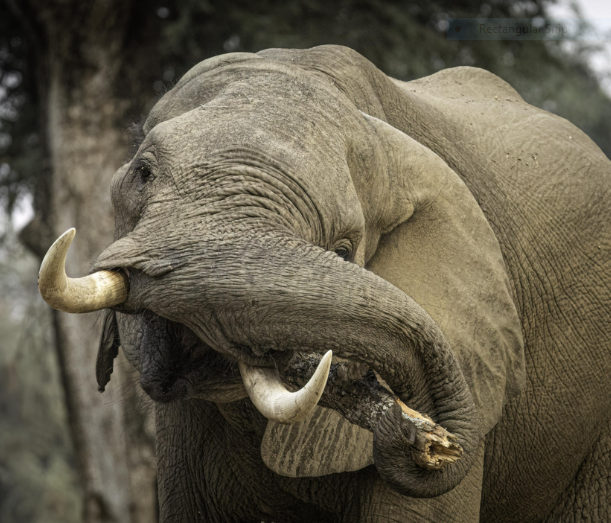

Elephants are unique among mammals because they replace their molars several times throughout their lives. This remarkable adaptation allows them to keep chewing tough vegetation for decades. However, every elephant eventually reaches its final set of teeth. Once those teeth become worn out, replacing them is no longer possible.
A Lifetime of Tooth Replacement

Most elephants develop up to six sets of molars during their lives. Each new set gradually moves forward from the back of the jaw, replacing older teeth that have been worn down by years of chewing grasses, bark, leaves, and branches.
This continuous replacement helps elephants maintain healthy teeth throughout most of their lives.
When the Final Molars Wear Down

By the time an elephant reaches old age, it is using its sixth and last set of molars. After decades of constant chewing, these teeth eventually become smooth and lose their ability to grind food effectively.
Without functional molars, tough plants become much harder to chew and digest.
Changes in Diet

As their teeth wear out, older elephants often change their feeding habits. Instead of eating coarse grasses or woody plants, they seek softer foods such as young leaves, fresh grasses, fruits, or aquatic vegetation that require less chewing.
These dietary changes help aging elephants continue feeding for as long as possible.
A Natural Part of Aging

In the wild, heavily worn teeth can eventually make it difficult for an elephant to consume enough food to meet its nutritional needs. This is one of the natural challenges that many elderly elephants face.
In protected environments, such as wildlife sanctuaries or zoos, older elephants may receive softer diets and veterinary care that help them remain healthy and comfortable for longer.
Protecting Elephants Throughout Their Lives
An elephant's teeth tell the story of a lifetime spent shaping landscapes and feeding on nature's vegetation. Understanding how elephants age reminds us that conservation is about protecting animals at every stage of life—not just when they are young and strong.
By preserving healthy habitats and supporting elephant welfare, we can help these remarkable animals live long, healthy lives and continue inspiring future generations.