
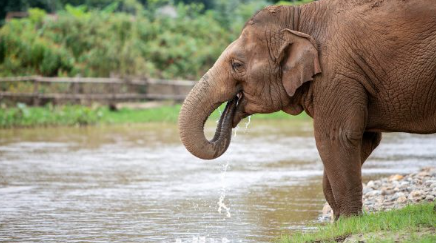

An adult elephant may drink between 150 and 200 litres of water each day. Yet drinking is only one part of an elephant’s relationship with water. Bathing and swimming also help the body remain comfortable, especially in warm climates. Regular contact with water keeps the skin hydrated and reduces the dryness and cracking that can develop without proper care.

Although elephant skin appears strong and rugged, it is surprisingly sensitive. Its folds and creases require attentive care, and bathing helps wash away dirt and organisms that may otherwise remain on the body.

When elephants cannot bathe regularly, parasites such as ticks and elephant lice may cling to the skin for extended periods. Fungal and bacterial conditions can also develop, sometimes progressing beneath the surface before becoming persistent wounds. Rescued elephants with a history of inadequate care may arrive with long-standing skin problems that require patience, treatment and careful monitoring.

Water can also serve as a gentle form of physical therapy. Its buoyancy supports the elephant’s immense body, allowing movement with less pressure on the joints. Swimming and wading offer low-impact exercise while helping elephants regulate their body temperature during hot weather.

Elephants are naturally capable swimmers. They can remain beneath the surface for up to two minutes, and when the tip of the trunk stays above the water, it functions much like a snorkel. This allows an elephant to breathe while moving through deeper water with calm, steady strokes.

Beyond its physical benefits, water offers something equally important: comfort. In a river, pond or pool, elephants can choose how they wish to engage—standing quietly, rolling onto their sides, submerging themselves or sharing the space with trusted companions.

These moments reveal the emotional value of an environment that respects natural behaviour. An elephant resting in the water often appears deeply at ease, free to move without force and to enjoy the simple sensations of coolness, weightlessness and play.
 Protecting elephants means protecting the conditions that allow them to thrive. Clean water, healthy habitats and freedom of choice are all essential parts of that responsibility. When elephants are given space to drink, bathe, swim and rest according to their own needs, water becomes more than a resource—it becomes a pathway toward recovery, dignity and a more hopeful life.