
Publication Date: Not provided
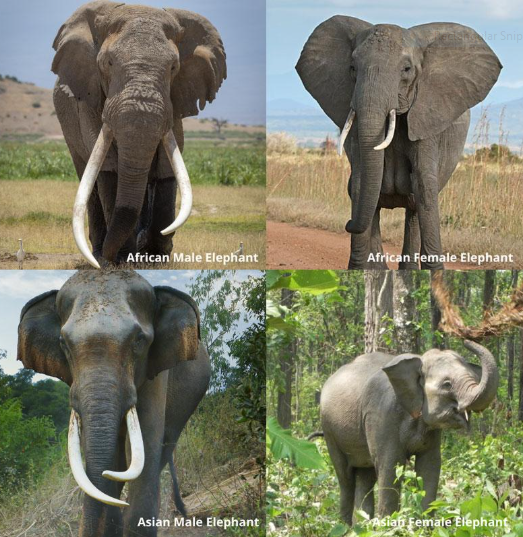
Male and female elephants share many features, but there are several physical differences that become more noticeable as they mature. These differences help scientists, wildlife guides, and conservationists identify elephants in the wild.
Body Size

Male elephants are generally much larger than females. They grow taller, heavier, and develop broader heads and thicker necks. Females have a slimmer build and are usually easier to distinguish when standing beside an adult male.
Tusks

Tusks are one of the most visible differences between the sexes. In African elephants, both males and females usually have tusks, although males tend to have larger and thicker ones.
In Asian elephants, large tusks are mostly found in males. Many females have very small tusks, called tushes, that remain hidden beneath the upper lip.
Head Shape

Male elephants often have broader, more rounded heads with stronger jaw muscles. Female elephants typically have narrower heads with softer facial features.
Body Shape
Adult males have a more muscular body, especially around the shoulders and chest. Females have a lighter build, making it easier for them to move with and care for young calves.
Social Life

Females live in close family groups led by an experienced matriarch. These herds include mothers, daughters, sisters, and young calves.
Adult males usually leave the family herd as they mature. They often live alone or form small groups with other males before returning to females during the breeding season.
Why These Differences Matter
The physical differences between male and female elephants reflect their different roles in elephant society. While males grow larger and often live independently, females remain at the heart of the family, raising calves and passing knowledge to future generations.
Understanding these differences helps researchers monitor wild populations and gives us a deeper appreciation of the remarkable lives of elephants.