
Publication Date: Not provided
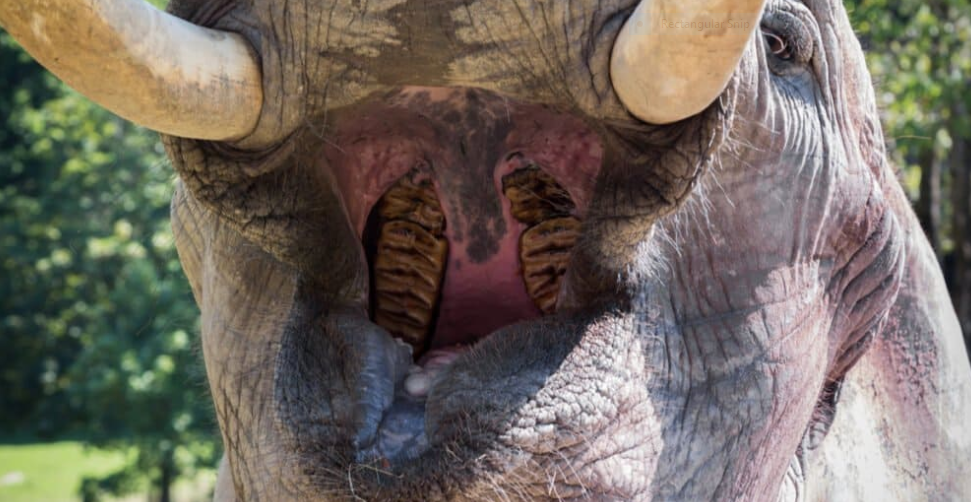
Elephants have a unique set of teeth that change throughout their lives. Unlike humans, who replace their teeth only once, elephants grow new molars several times as they age, helping them process the large amounts of vegetation they eat every day.
Six Sets of Molars

An elephant develops six sets of molars during its lifetime. As older teeth wear down, new ones gradually move forward from the back of the jaw to replace them. This continuous replacement allows elephants to keep chewing tough grasses, bark, and leaves for many years.
Teeth Wear Down Over Time

Elephants spend most of their day eating, and their molars slowly wear away from constant grinding. The rough texture of grasses, branches, and other plants causes the chewing surfaces to become flatter over time.
Why Old Age Can Be Difficult

When an elephant reaches old age, its final set of molars eventually wears out. Without healthy teeth, chewing becomes much more difficult, making it harder to eat enough food. Older elephants often choose softer plants that require less chewing.
Tusks Are Teeth Too

An elephant's tusks are actually modified upper incisor teeth. Unlike molars, tusks continue growing throughout life and are used for digging, stripping bark, moving objects, and defending against threats.
Why Healthy Teeth Matter

Strong teeth are essential for an elephant's survival. Healthy molars allow elephants to consume hundreds of kilograms of vegetation each day, while worn or damaged teeth can affect their ability to feed and maintain a healthy body condition.
Understanding how elephant teeth change over time helps researchers monitor the health and age of wild elephants and highlights the importance of protecting these remarkable animals throughout every stage of life.